Piano setup
Here’s what you’ll need to get ready for your child to start piano lessons through Katie Suzuki Music
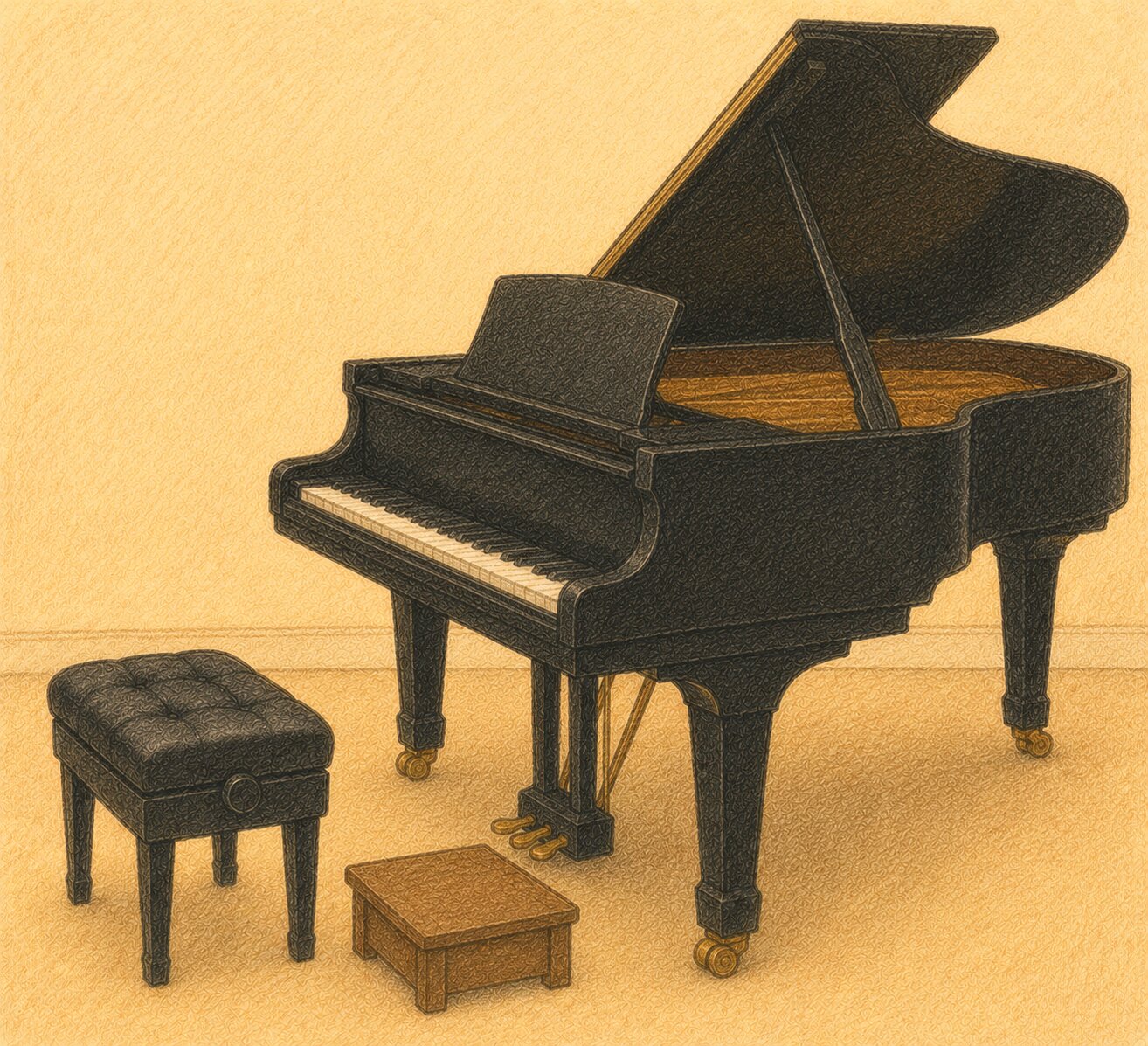
You'll need a piano!
- Either an accoustic piano or a good quality digital piano (see below)
- Piano seat and footstool
Tech setup
- A laptop/ipad to do lessons on (see below)
Book/mp3s/Paperwork
- Suzuki piano book and mp3s
- weekly practice sheets (print a few)
- A folder to keep your child's piano paperwork in (a slim ringbinder works well)
MyMusicStaff
Lessons are booked through the calendar in MyMusicStaff so you'll need:
- a login and a lessontime. Please contact Katie to arrange which teacher your child will learn with and to choose a regular lesson time (this can always be changed later if needed).
What we need from you
- Please complete the Enrolment form
There’s quite a bit to prepare at the beginning, so please feel free to contact Katie or your teacher if you have any questions. We're very happy to help.
Laptop/ipad for lessons
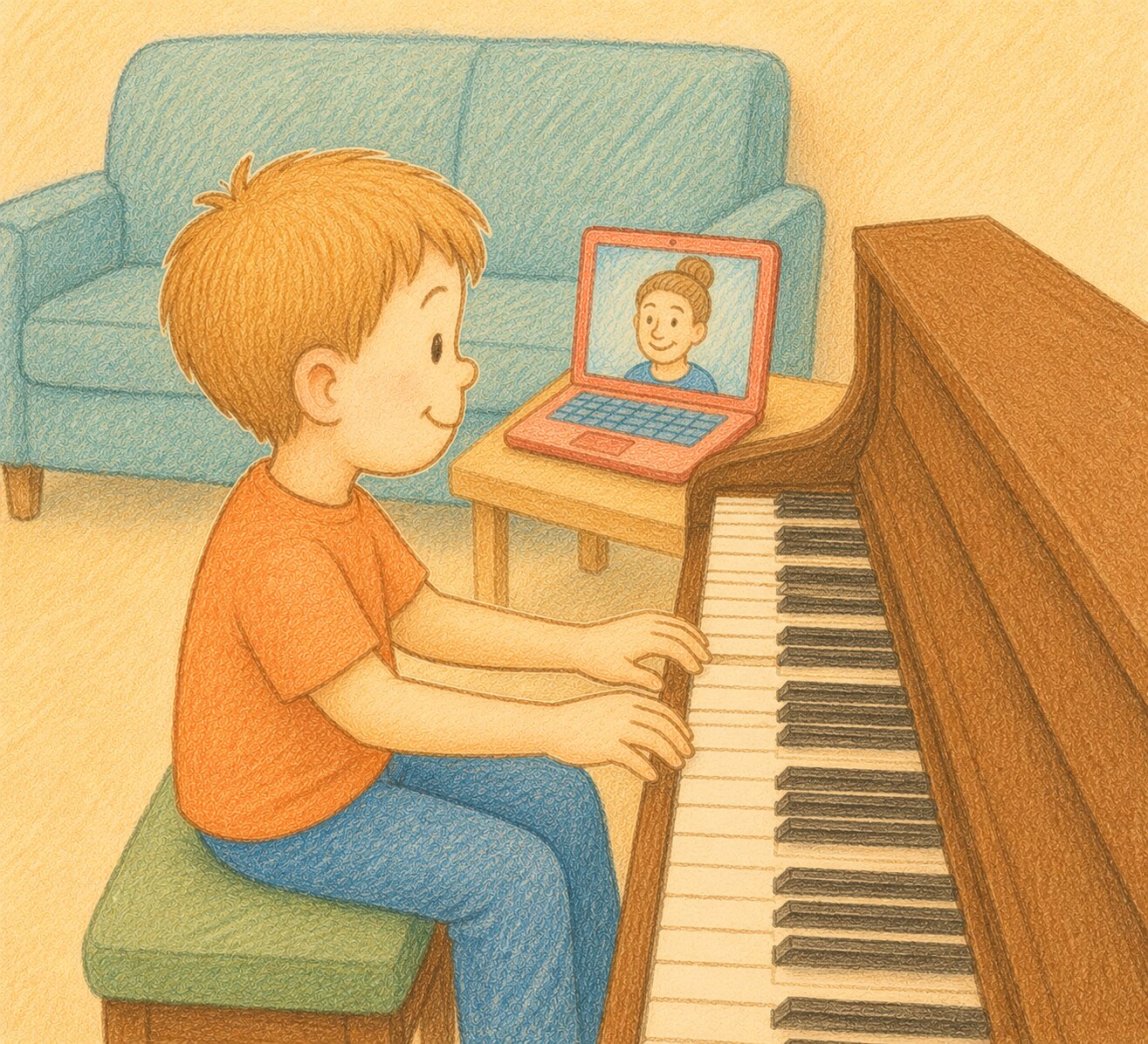
The best setup for lessons is a laptop plugged into ethernet. I think that children concentrate better when the picture of the teacher is larger so I like the bigger screen of laptops, but ipads/tablets or even a phone can work too. Ethernet provides the most reliable internet connection but many people use wifi and this usually works fine too.
Set the laptop up at one end of the piano, looking along the line of the keyboard. Ideally try to get the child's face in the view as well as the keyboard but if you can only get one of the other, get the keyboard.
Accoustic and digital pianos
To learn piano properly, students need an instrument that responds like a real piano. This means either:
- an acoustic piano, (tuned to concert pitch), or
- a full-sized digital piano with 88 hammer-action keys.
In Suzuki lessons especially, beautiful tone and natural movement are important from the very beginning, so a good quality instrument is essential.
If you are unsure what to get, just contact Katie or your teacher for advice.
Accoustic pianos
Concert pitch is important for accoustic pianos because it helps your child to develop an accurate ear for music and also for when your child plays along with the mp3s. Accoustic pianos generally need tuning every year or two.
Many minor issues can be fixed by a piano tuner but it will be disappointing to buy a cheap second-hand piano only to find that the problems with it are not fixable. If you are considering buying second-hand, consider paying a piano tuner to check out the piano for you first. Alternatively buy a reconditioned second-hand piano from a shop.
Digital pianos
Hammer-action keys are important for a digital piano because they help develop correct technique, hand strength, control, and tone. Unweighted keyboards may feel easier to play at first, but they do not provide the resistance and responsiveness needed for proper piano technique, and students often struggle later when playing on an acoustic piano.
Some good options for a beginner-to-intermediate digital piano are the Yamaha P-225, Roland FP-30X, or Kawai ES120. The Yamaha P-125, Roland FP-30, and Kawai ES110 are the previous models and are excellent if you can find one second-hand. The Roland FP-10 is a good current entry-level option.
A second choice — still adequate for the first few years — is the Yamaha P-145, or the older Yamaha P-45 / P-71 second-hand. The main difference between these and the models above is the quality of the sound.
Piano seat and footstool
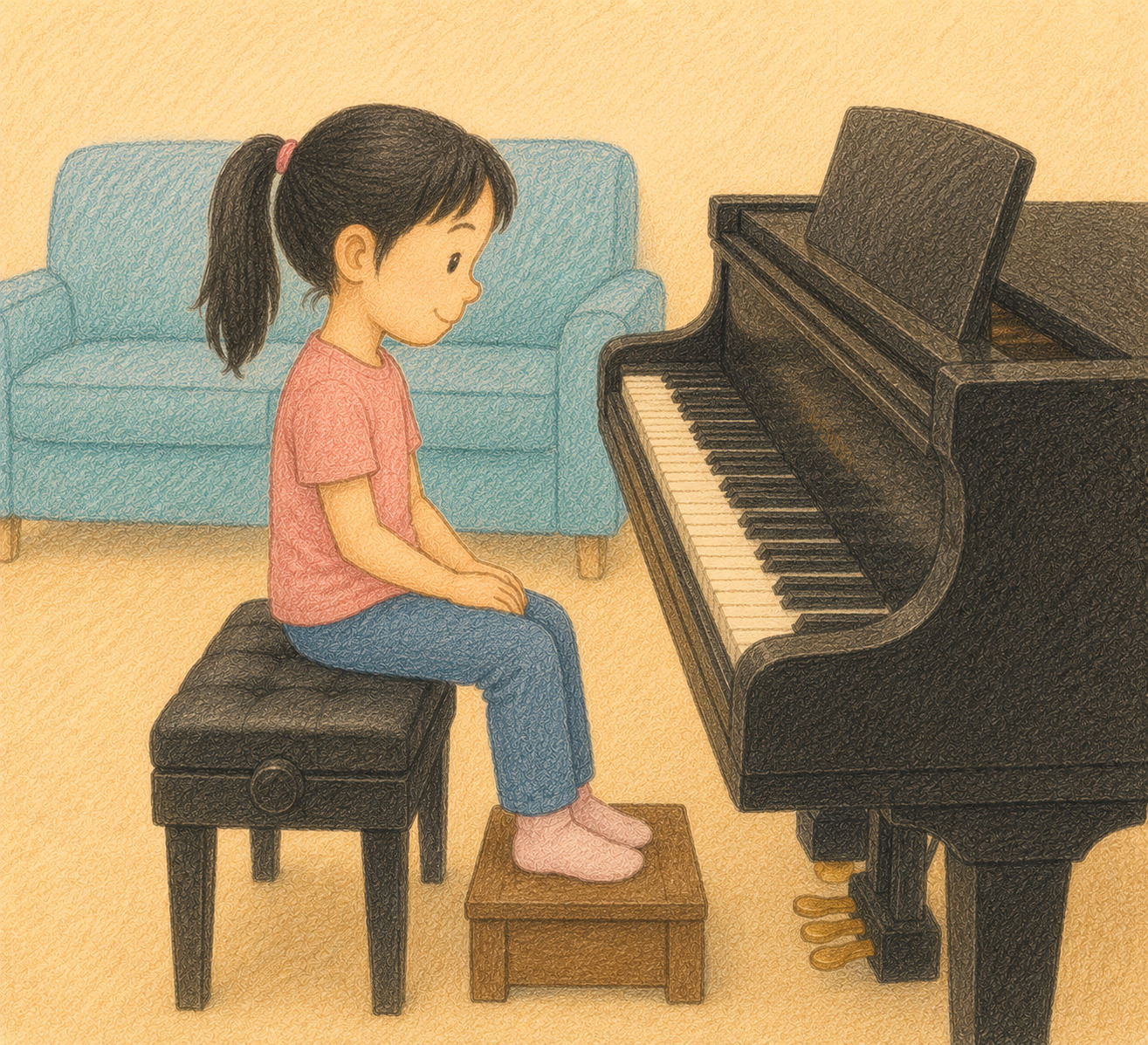
It is important that your child has a comfortable and balanced posture at the piano.
They'll need a piano seat that is firm, comfortable and the right height. An adjustable seat is great, but any flat chair can work as long as you pad it up with a stable pile of books with a folded towel on top for softness.
They'll also need a footstool that is strong enough for them stand on. A pile of books can work, or you can buy an adjustable wooden footstool.
As always, I'm happy to help you decide what setup will work best.
Piano book and mp3s
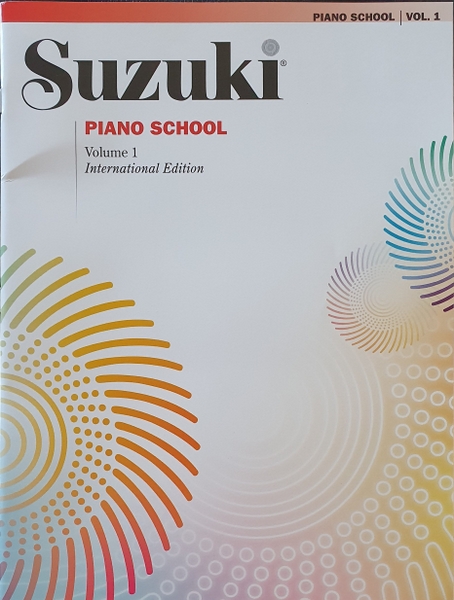
You will need the Suzuki piano volume 1 book (International Edition or New International Edition):
and the mp3s (or CD):
Note that not all links work from all countries (because of the Suzuki copyright license agreements), so if you have trouble buying anything do get in touch with me and I'll help.